
Our
Performance
University Cooperation
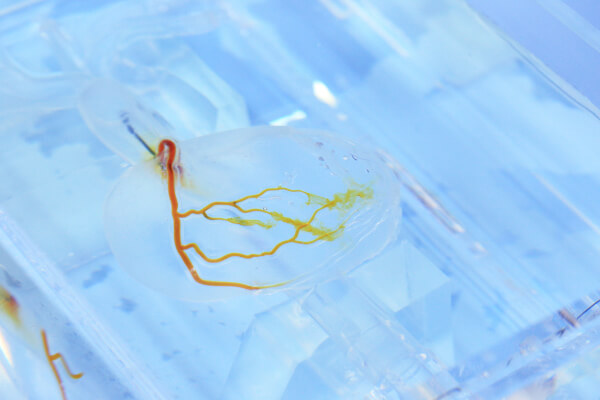
HEARTROID PROJECT

Self-developed products
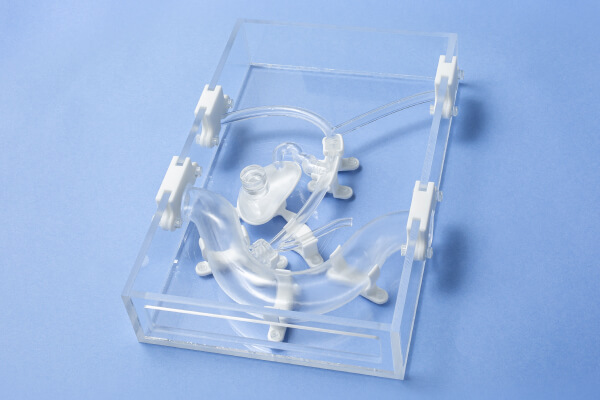
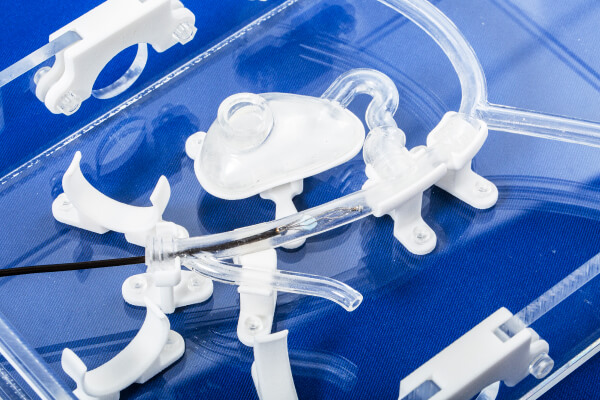
ERCP simulator
Contract Development
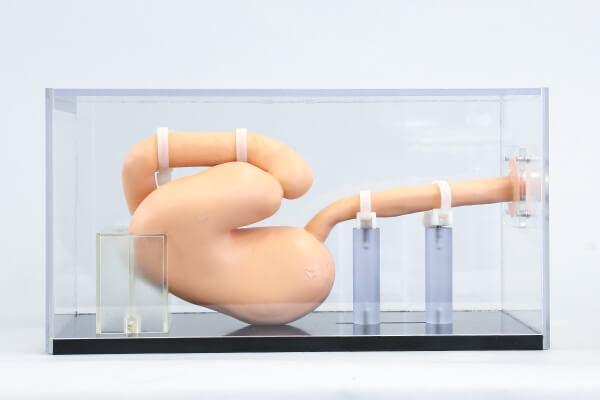
Dog Mergen Model
Domestic and international reputation and achievements
Received Good Design Awards in the U.S. / CE Mark in Europe
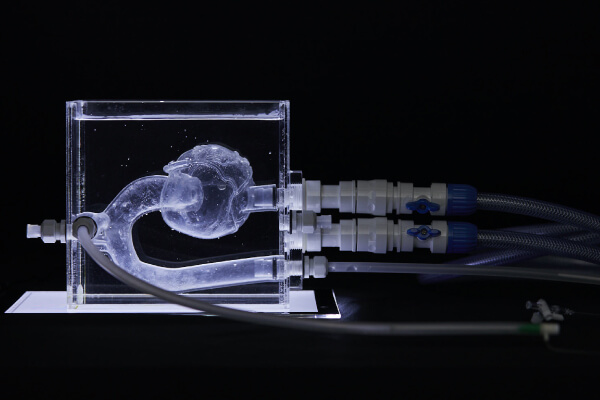
HEARTROID®, a cardiac catheterization simulator, received The Good Design Awards 2020 and also
received the G European safety standard "CE Mark".
GOOD DESIGN was founded in 1950 and celebrates its
70th anniversary this year. It is currently hosted by The Chicago Athenaeum: Museum of Architecture and
Design, and has the longest history of any design award in the world, and is recognized as an
internationally authoritative design award.
The CE Mark is a certification system that requires industrial and consumer products imported into and sold in the European Economic Area to obtain the CE Mark, and compliant products are those that can ensure stable quality in compliance with the European LVD (Low Voltage Directive), EMC (Electromagnetic Compatibility), and RoHS II (Restriction of Hazardous Substances) Directives.

Received the National Commendation for Invention "Future Creative Invention Encouragement Award" in Japan.
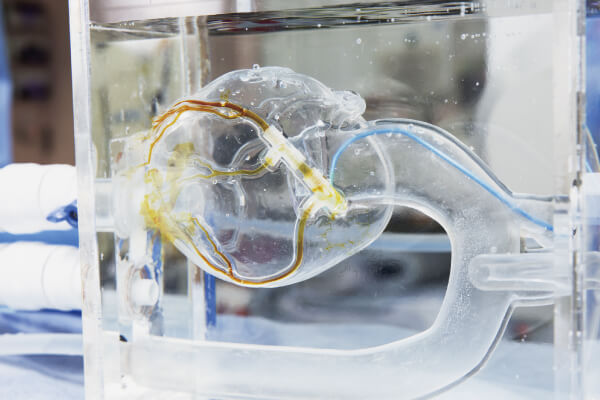
In the 2021 National Commendation for Invention*1 (sponsored by the Japan Institute of Invention and
Innovation*2 ), the invention of a cardiac catheter simulator with X-ray fluoroscopy using a 3D printer,
which was jointly developed by the Department of Cardiovascular Medicine, Osaka University Graduate School
of Medicine, JMC Corporation, and FUYO Co. JMC Corporation and FUYO Corporation jointly developed the
"Invention of a cardiac catheter simulator with X-ray fluoroscopy using a 3D printer. The Prize for
Encouragement of Future Inventions is given to inventions related to small and medium-sized venture
companies, universities and public research institutions, and is awarded to inventions that are recognized
as particularly outstanding.
1.The National Commendation for Invention was established in 1919 by the Japan Institute of Invention
and Innovation (JIII) with the aim of contributing to the improvement of science and technology and the
development of industry in Japan. The National Commendation for Invention was established in 1919 by the
Japan Institute of Invention and Innovation (JIII) with the aim of contributing to the advancement of
science and technology and the development of industry in Japan. The commendation is given to inventions,
devices, or designs that have made significant contributions in order to honor the achievements of many of
Japan's leading researchers and scientists.
2.The Japan Institute of Invention and Innovation (JIII)
is a public interest incorporated association established in 1904 to encourage inventions, promote
awareness of patents and other industrial property rights (invention encouragement), and conduct projects
to foster creativity in young people.