Simulator
customization
More updates to
your medical simulator

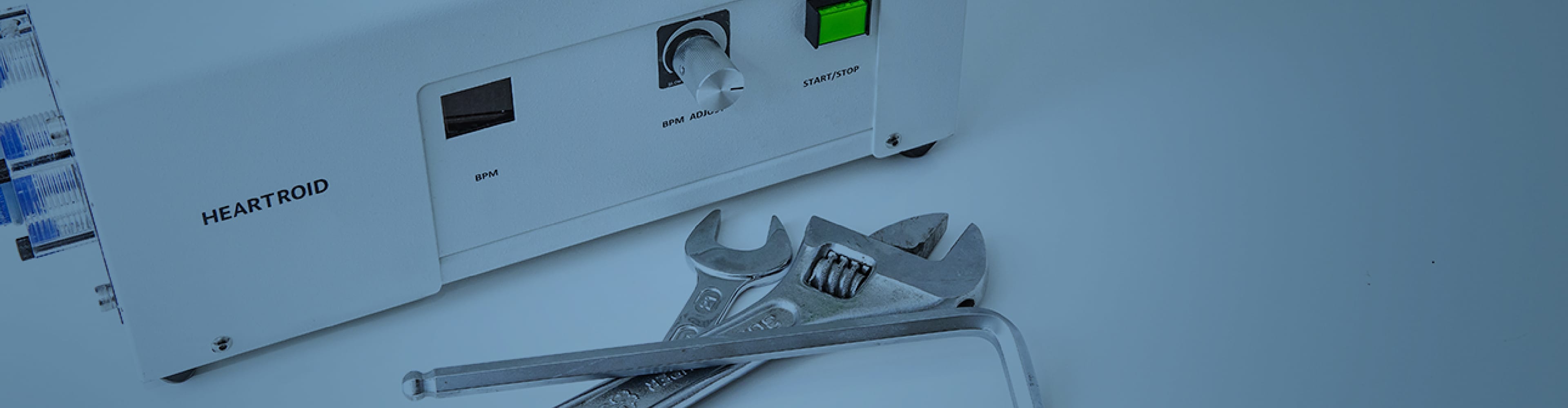
Many complex and elaborate models and simulators are still manufactured by hand and have many individual differences, making it difficult for the seller to repair them. By using high-precision industrial CT scans, JMC is able to analyze the structure of each product and perform the corresponding repairs. JMC is able to analyze the structure of each product using high-precision industrial CT scans and perform repairs.
Editing JMC data
List of supported materials
-
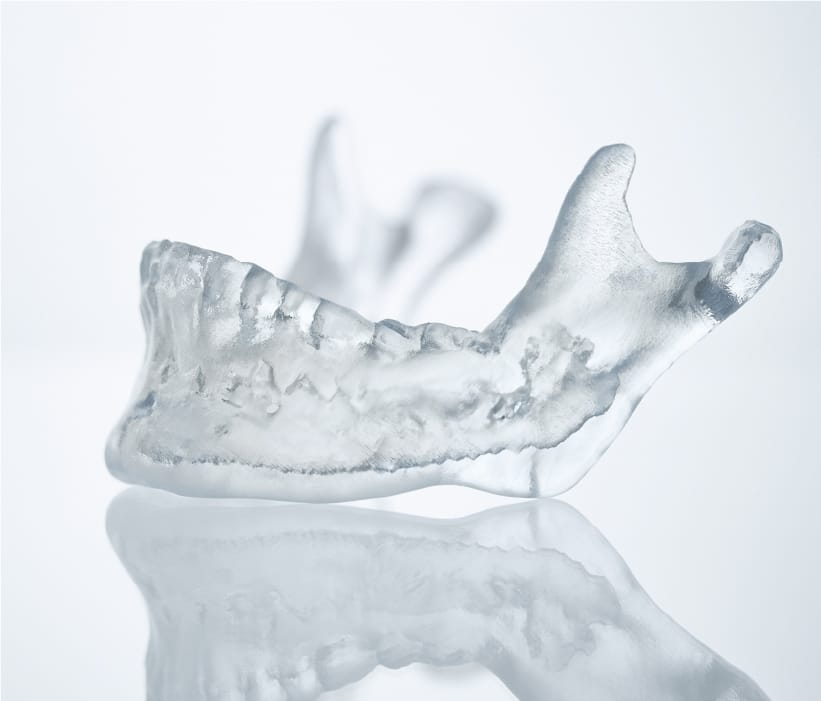
Epoxy resin (optical molding)
Complex shapes can be integrally molded in a short time. Since the liquid resin is cured by laser layer by layer, the "corner radius" (radius of cylindrical tools) that occurs in blade processing is not generated.
This makes it possible to reproduce the microscopic shape of organs.
-
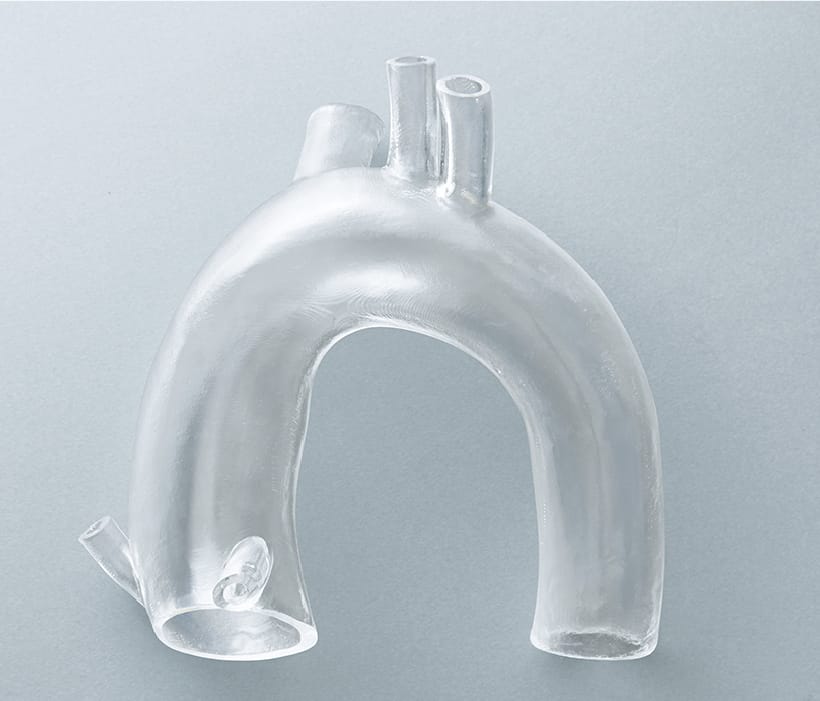
Silicone
Materials from a variety of domestic and overseas manufacturers can be used. In addition to the characteristics of high transparency and low hardness, it is possible to adjust the hardness by using silicone thinner.
For some silicones, it is possible to add more than 50 wt% thinner, but this will significantly reduce the physical properties, resulting in poor curing or thinner components bleeding onto the surface.
-
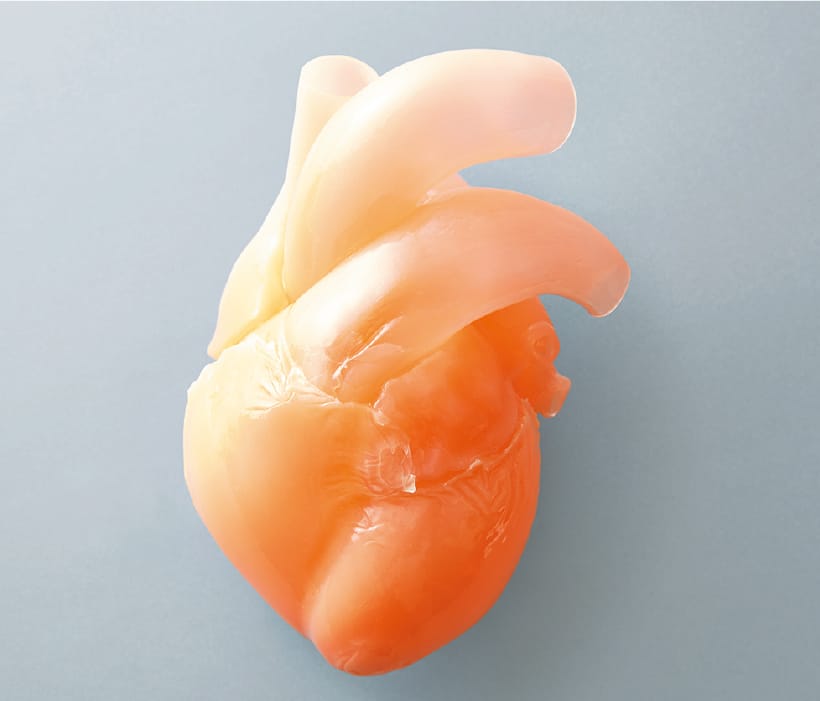
Polyvinyl alcohol (PVA)
The material itself, called hydrogel, contains water, so it has good wettability and slipperiness, and feels very close to the organs of the human body.
-
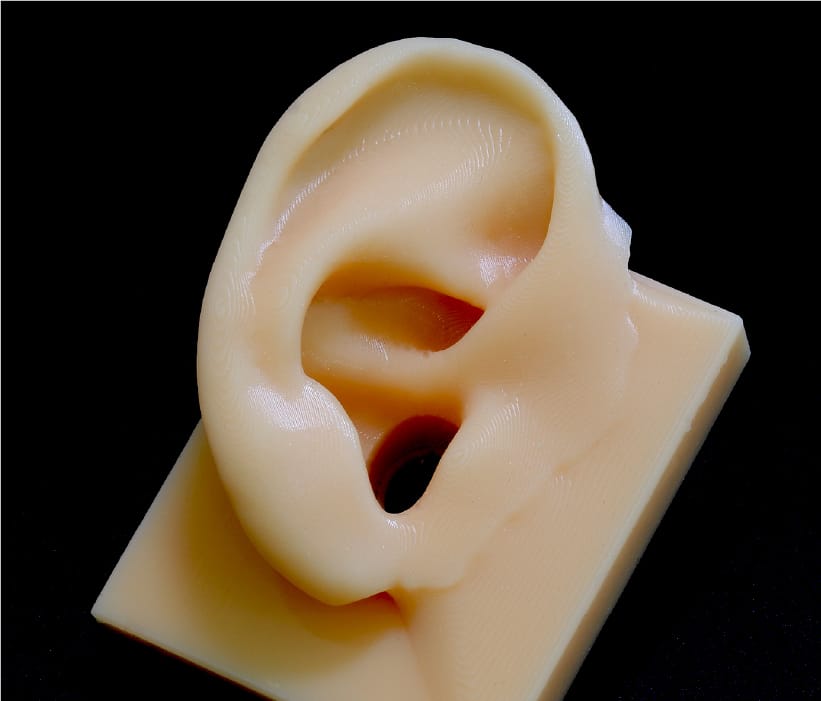
Urethane foam
It can reproduce both low and high hardness, which is similar to the touch of human skin.
-
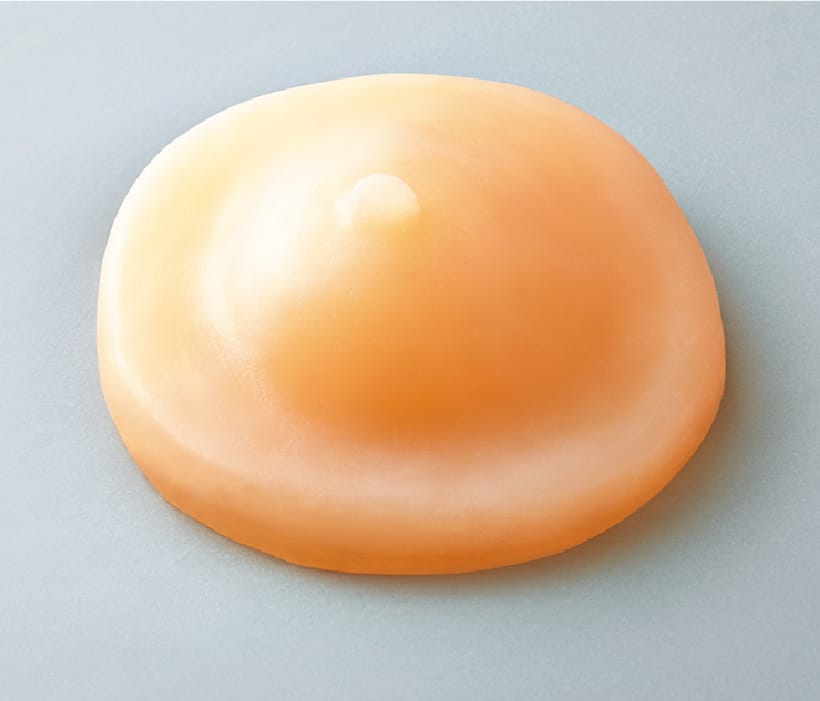
Ultrasonic compatible materials
Materials that can be captured on an ultrasound imaging system can be used.
-
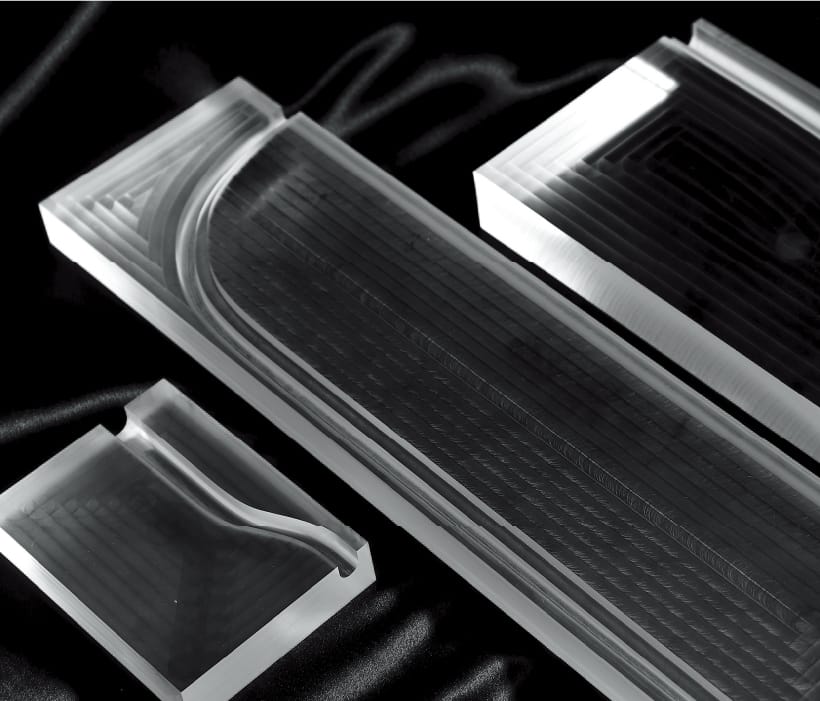
Cutting material
Materials such as acrylic, ABS, polycarbonate, and polypropylene can be used.
Order and Repair Flow
-
1
Apply through the inquiry form.
Please use the contact form below to apply.
-
2
Our company will call you.
We will have a brief interview with you by phone.
We will take back the product to be repaired and carefully inspect the defective part.
-
3
Repair methods and estimates
After 3 business days of investigation, we will inform you of the repair method and estimate.
-
4
Manufacture and repair
We can repair and manufacture in the most appropriate way using all kinds of materials.
-
5
Delivery of products
If this is your first transaction, you may be asked to make a deposit in advance.